2025 Global Capital Flows Shift Toward Korea: How U.S. Slowdown Is Creating New Opportunities
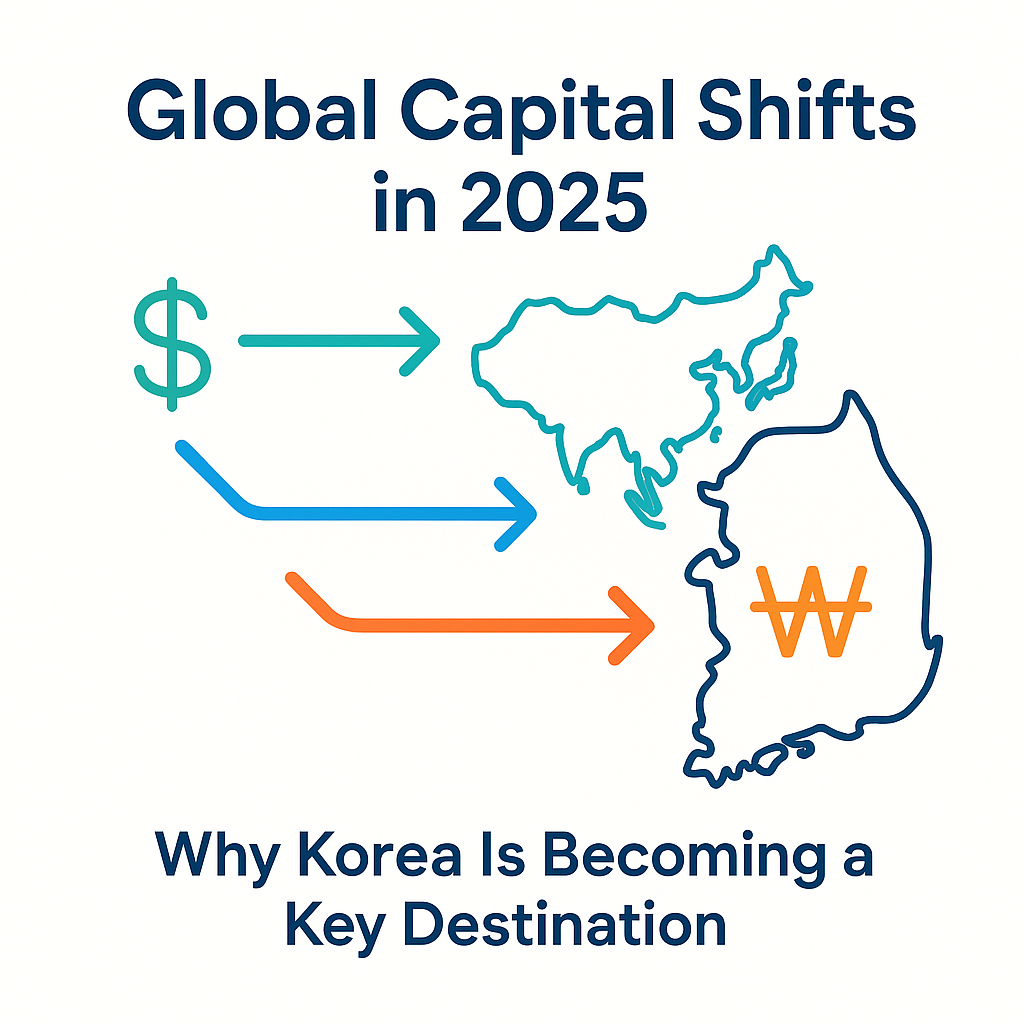
As the US economy slows and the dollar weakens, global capital is shifting toward Asia—especially Korea. Here’s why Korea is emerging as a key opportunity in 2025.
Key Takeaways
✔ Global investors are rotating out of U.S.-centric portfolios as the economic slowdown deepens.
✔ Korea is seeing steady foreign inflows, supported by strong semiconductor and AI-related sectors.
✔ A weaker dollar is reinforcing investor appetite for Asia ex-US assets.
✔ Key risks include Fed policy shifts, FX volatility, and geopolitical tensions.
✔ The next six months will hinge on foreign flows, earnings momentum, and the won–dollar trajectory.
The global investment landscape is shifting in 2025. With U.S. growth losing momentum, the IMF has trimmed global GDP expectations to the 2.8% range. As the dollar weakens, investors are increasingly looking beyond the U.S. for returns and diversification.
Asia is emerging as the primary beneficiary of this trend, and within Asia, Korea stands out. Its technology-driven export base and attractive valuations are drawing renewed global attention. This article explores why Korea is becoming a preferred destination for global capital—backed by data, institutional commentary, and forward-looking market indicators.
How the U.S. Economic Slowdown Is Redirecting Global Capital: A 2024–2025 Timeline
As the U.S. economy cooled in late 2024, investors began reassessing their exposure to U.S. assets. Interest rates stayed elevated longer than expected, and the dollar eventually shifted into a weakening trend by mid-2025.
Several indicators support this transition:
- Portfolio outflows from U.S. equities increased as investors sought higher-growth regions.
- OECD and SEACEN data show rising inflows into emerging and advanced Asia.
- A weaker dollar environment historically increases demand for non-U.S. equities, especially export-driven markets like Korea.
This timeline shows a clear sequence:
U.S. slowdown → dollar weakness → global diversification → rising interest in Korea.
Korea vs. Taiwan vs. ASEAN: Which Markets Are Actually Getting the Money?
Foreign-investor behavior provides the clearest clues to where global capital is moving. The comparison below highlights Korea’s position within Asia.
|
Region |
Recent Capital Flow Trend |
Implications for Korea |
|---|---|---|
|
Korea |
$2.29B in net foreign buying in Oct 2025, concentrated in large-cap semiconductors. |
Strong sector-driven inflows; valuation reset underway. |
|
Taiwan |
Heavy inflows into AI chip and advanced semiconductor leaders. |
Korea benefits from similar global tech demand. |
|
ASEAN |
Rising flows into domestic-growth stories like Indonesia and Vietnam. |
Korea competes on tech, not demographics—different investor base. |
|
Korea FDI |
FDI at ~0.8% of GDP, softening vs. prior years. |
Direct investment slows, but portfolio inflows accelerate. |
The picture is clear: Korea and Taiwan are attracting tech-focused capital, while ASEAN absorbs demographic-driven growth capital. Korea’s edge lies in its structural linkage to global semiconductor and AI cycles.
Why Global Institutions Are Paying Attention: OECD, SEACEN, Goldman Sachs
Global institutions highlight several reasons Korea is attracting renewed interest:
- OECD notes rising inflows into both emerging Asia and advanced Asian economies, with Korea singled out for its tech-heavy market structure.
- SEACEN reports that Korea’s export-linked growth model remains attractive under a weaker-dollar regime.
- Goldman Sachs APAC leadership has stated that Korea and Taiwan stand to benefit most if the dollar’s weakening trend continues.
At the same time, MSCI continues to classify Korea as an emerging market—highlighting regulatory and market-access issues that could limit inflows. This mix of strengths and constraints gives Korea a unique risk–reward profile.
Where Foreign Investors Are Putting Their Money: Korea’s Semiconductor, AI, and Export Sectors
Korea’s appeal is rooted in the structure of its economy. The sectors drawing the most interest include:
Semiconductors & AI Chips
Korea’s chipmakers play a central role in the global AI hardware chain. Large-cap tech names remain the primary targets of foreign inflows.
EV Batteries & Mobility
Despite global EV demand fluctuations, Korea’s battery producers are winning supply-chain diversification contracts across the U.S. and Europe.
Export Powerhouses
A weaker won provides a tailwind for exporters, enhancing margins and global competitiveness.
Importantly, foreign investors are not simply buying the market—they are selectively targeting structural growth themes. This is why inflows are concentrated rather than broad-based.
The Three Risks That Could Slow Korea’s Market Recovery
Even with positive momentum, Korea faces several external risks that must be monitored closely.
Fed Policy and Global Rate Volatility
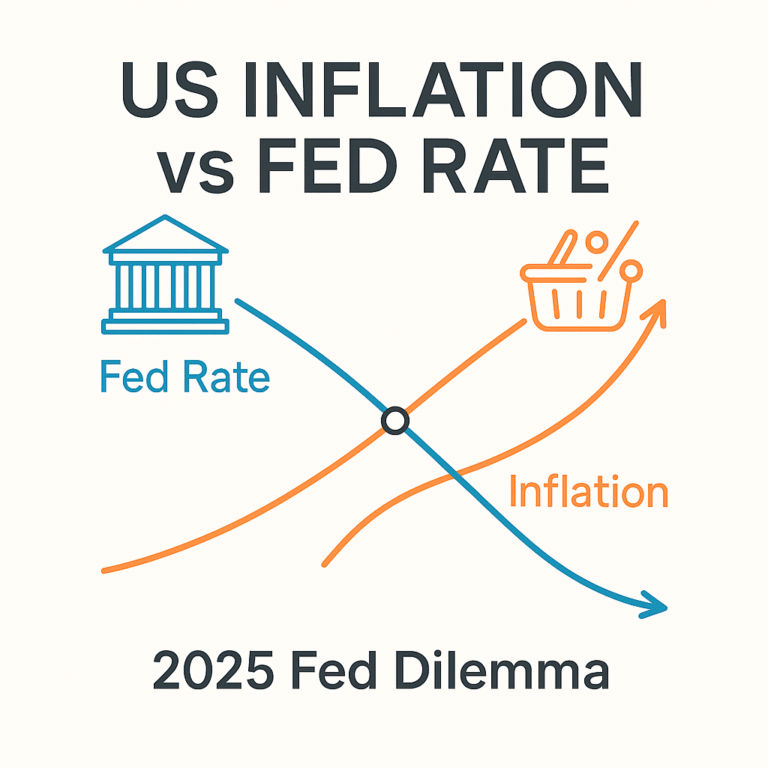
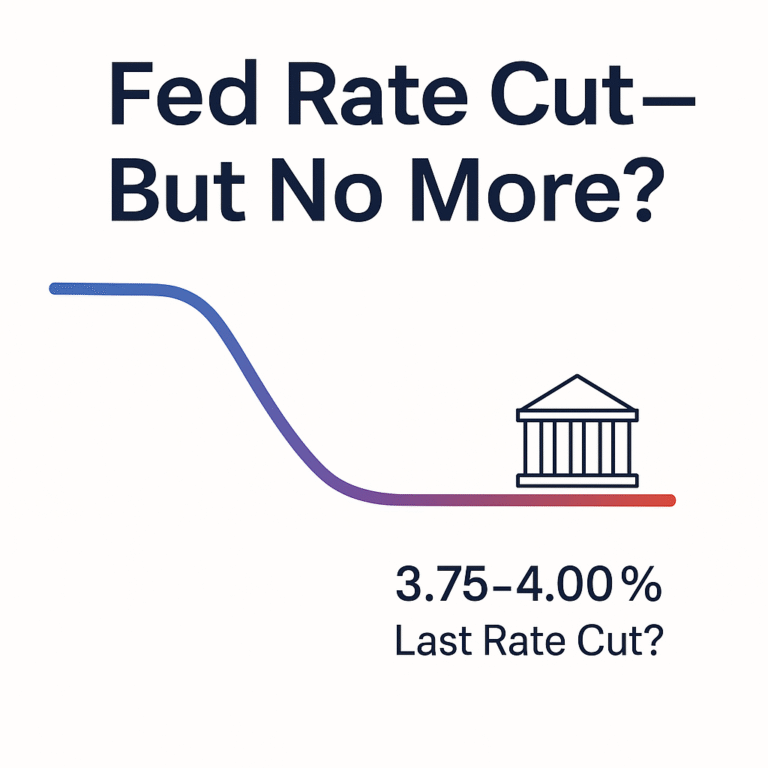
If the Fed delays rate cuts or signals tighter policy, the dollar could strengthen abruptly—potentially reversing Asian inflows.
FX Volatility and the Won–Dollar Equation
The won remains highly sensitive to global risk sentiment. Sudden depreciation could deter foreign investors due to FX loss concerns.
Geopolitics and Supply-Chain Friction
Korea’s position between the U.S. and China exposes it to trade restrictions and supply-chain shocks. Export-driven markets react sharply to such developments.
These risks emphasize why global investors view Korea as a high-potential but high-beta market.
The Next Six Months: Key Data Points That Will Determine Korea’s Market Direction
Korea’s ability to remain a beneficiary of global capital flows depends on several upcoming indicators:
- Monthly foreign inflow data—whether the recent momentum above $2B can persist.
- Earnings from semiconductor, AI, and battery sectors—critical for validating growth expectations.
- Won–dollar stability—a controlled appreciation trend is ideal for attracting new inflows.
- Fed policy trajectory—the largest variable for all ex-US markets in 2025.
- Regulatory or market-access reforms in Korea—potential long-term catalysts for sustained inflows.
These checkpoints will shape whether Korea’s rally evolves into a multi-year structural trend.
A slowing U.S. economy and a weaker dollar are reshaping global capital flows—and Korea is emerging as one of the most compelling beneficiaries of this shift. Its world-class semiconductor and AI ecosystem, combined with attractive valuations, provide a strong foundation for foreign inflows.
The next six months will be decisive. By monitoring foreign-flow data, earnings momentum, and FX trends, investors can better assess whether Korea will continue to strengthen its position as a top Asia-Pacific opportunity in 2025.
References
- OECD, Capital Flow Dynamics in Emerging Asia
- Standard Chartered, H2 2025 Global Market Outlook – Positioning for a Weak Dollar
- Korea JoongAng Daily, “Foreign investors remain net buyers of Korean securities in October”
- SantanderTrade, “Foreign investment in South Korea”
- TradingEconomics, “South Korea Capital and Financial Account”